 Ah, lists. The gift that keeps giving — particularly in the world of film blogging, where they provide snappy short-form content, invite numerous comments and generate multiple hits when spread across a zillion pages.
Last year’s flood of end-of-decade countdowns surely satisfied even the most ardent list fanatic for a good few months, but with no such milestone to mark this year, The Guardian has returned to an old chestnut: the greatest films of all time.
The gimmick they’ve used for the project (the results of which have been unfolding on their website over the past week) is to subdivide the larger collective according to genre: the 25 best comedies, romances, action films, and so on. As if any all-time best isn’t prone to enough criticism, this doubles the opportunities for debate: now we can kvetch not only about the films that made the cut (or didn’t), but whether they’ve even been categorized correctly.
 Wild-eyed, table-banging outbursts — sometimes of enthusiasm, more often of outrage — are an essential part of the floor show at any Oscar viewing party, but I’ve rarely seen one more unhinged than a friend’s reaction to Angelina Jolie’s (widely expected) Best Supporting Actress victory at the 1999 ceremony.
 Amid a fairly robust non-fiction slate in this year’s London Film Festival programme, there appears to be an informal sidebar of documentaries about the process of, well, documenting — whether via media avenues of art, film or journalism.
 Admittedly, this isn’t much of a story, but following last week’s furore over the NC-17 certificate handed to the starkly adult marital drama
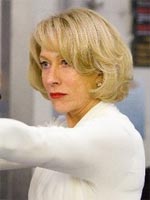 Amid the club of stars surfacing in two or more 2010 releases — Leonardo DiCaprio, Annette Bening, Chloe Moretz, and so on — has anyone been more ineffectually ubiquitous than Helen Mirren? The 65 year-old Brit has been working steadily since her Oscar win nearly four years ago, but apparently cracked the secret of human cloning this year, turning up in no fewer than six titles. (Seven if you count
 Okay, so my weekend plans to catch up on my LFF review backlog didn’t entirely pan out — though the schedulers have, at least, kindly slowed the snowball effect by screening a number of films today that I had already seen. Strange as it sounds, given that it’s been on the festival track for five months now, Mike Leigh’s
 (Please note that one of the films reviewed here, “Aftershock,” was not screened as part of the London Film Festival programme — but since I saw it this week, it made sense to include it in this discussion.)
 “To get the challenge to play someone like this makes me a better person,” said a rather intense-looking Hilary Swank at yesterday’s London Film Festival press conference — the someone in question, single mom turned crusading lawyer Betty Ann Waters, sitting to her immediate left.
 “It’s quality work. There are simply too many notes,” says the Emperor Joseph II to an incredulous Mozart in Milos Forman’s 1984 Oscar-guzzler
 Tyler Perry’s

 In a year that has seen me give over more of my time than is strictly sensible to covering the Cannes, Venice, Berlin and Edinburgh programmes, there’s something oddly disconcerting about attending a festival in my home city.
 (A day later than usual — apologies.)
 For the past few months, we’ve been keeping you abreast of the submissions for the Best Foreign Language Film Oscar, so this finalized
 Amid the recent kerfuffle over the Motion Picture Association of America’s
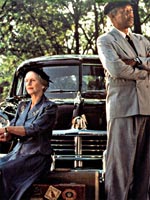 Its installments come all too infrequently these days, but Best Pictures From The Outside In — a collaborative project between The Film Experience’s Nathaniel Rogers and his learned pals — is one of the best sources of Oscar discussion and analysis on the web.
 My attention was drawn to this
 Fear not, you haven’t entered a very somber Tardis and woken up in December 2009. The BBC World Cinema Award is a small but creditable gong dished out annually to honor the best in foreign-language film — but due to a significant change in the show’s calendar, this year’s award effectively spanned the last two years of UK releases.