 “The British are coming!” crowed screenwriter Colin Welland from the Oscar stage in 1982, hoisting aloft his just-awarded awarded statuette for “Chariots of Fire” – and anticipating one of the bigger upsets in the history of the Best Picture race, as the modest British sports drama upended Warren Beatty’s grand political epic “Reds.”
His rallying cry was both premature and behind the beat. Welland may or may not have been aware that the Brits had crashed this particular party several decades previously. In 1948, Laurence Olivier’s “Hamlet” became the first non-US production to land the Academy’s top prize, while the 1960s were something of a golden period for England at the Oscars: while films like “Lawrence of Arabia,” “Tom Jones” and “Oliver!” emerged triumphant, so many Brits vacuumed up the acting prizes that Hollywood industry gossips – the bloggers of yore – began to complain. “It’s not fair,” whined Hedda Hopper. “The weather’s so foul on that tight little isle of theirs, that to get in out of the rain, they gather in halls and practise ‘Hamlet’ on each other.”
But Welland’s promise of a similar period of ubiquitous Brititude was kept only in fits and starts: Richard Attenborough, Ben Kingsley and “Gandhi” may have ruled the roost the following year, but it would be a whole quarter-century before another predominantly UK production (and coincidentally, also one with an Indian bent) took the top prize. In the early 1990s, Limey actors enjoyed a four-year run of wins in the lead acting races – from Daniel Day-Lewis through to Emma Thompson – only for their luck to dry up until Helen Mirren initiated another mini-streak 14 years later. “The British are coming… for occasional visits,” might have been a more accurate boast, if not quite as rousing.
 So important but so hard to notice. That’s how I would describe the work of our best film editors – those cutting artists who blend and juxtapose frames together to make films coherent, establish a flow and also set the mood in a manner that suits the screenwriter’s words and the director’s vision.
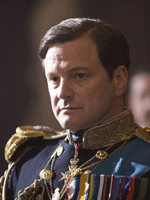 At Telluride in September, Geoffrey Rush
 About a year ago I took to
 (A day later than usual — apologies. Friday night got in the way.)
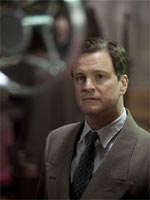 Unlike, say, the Venice fest – where the jury’s failure to reward any of the (lousy) Italian films in competition is cause for a media strop — the London Film Festival has often seemed somewhat embarrassed by the homegrown portion of its programme, perhaps granting a big red-carpet date to the odd bit of tony Oscar bait while shoving newer and/or independent British filmmakers into shadowy side slots.
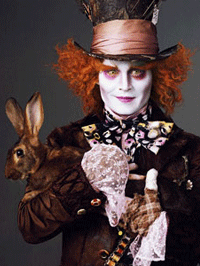 Glitz and glamor. Period prestige. Newbie talent and old favorites. How is the race for Best Costume Design shaping up this year?
 Admittedly, this isn’t much of a story, but following last week’s furore over the NC-17 certificate handed to the starkly adult marital drama
 Today we take a look a second look at, well, certainly the most “cinematic” of categories: Best Cinematography. As I like to say, cinema is born out of the camera and those who wield these devices enrich our films more than a few words written here could possibly say. From capturing mood, lighting and atmosphere to telling the story visually and creatively, our cinematographers truly are artists in every sense of the word.
 Already
 A number of people wanted Anne and I to discuss the seemingly thin
 Oh how things have changed since I last wrote in this space. In the past four weeks, Tech Support has taken a break, allowing the dust from the festival circuit to settle, and other titles to open. Over the next 10 weeks, we’ll take a second look at each of the crafts categories, finishing in mid-December – just as awards circuit takes hold.
 Two weeks ago
 •
 Whether you choose to believe them or not – and speaking for myself, I don’t quite – the media powers that be have currently reduced the 2010 Best Picture race to just two titles:
 •