 “My God, they’ve thrown in everything but the Teenage Mutant Ninja Turtles.”
Quoted by writer Anthony Holden in his gossipy history “The Oscars,” this was one publicist’s dismayed response to the 1990 Academy Award nominations, which included such unusual concessions to popular (as opposed to critical) opinion as a Best Picture nomination for “Ghost” and a Best Actress nod for Julia Roberts in “Pretty Woman.”
I remember this year well – I was eight years old, and it was the first Oscar race I followed in detail from burbling Christmas hype to the ceremony itself, digging up and scrapbooking all the press and TV coverage I could find.
And from what I recall of my fledgling research, the unnamed publicist above wasn’t alone in her discontent. In particular, the “Ghost” nomination attracted levels of critical scorn even higher than those usually reserved for the Oscars – the common line being that the Academy had sold out to commerce rather than art, and that the sky would be falling at any given moment.
Does this situation sound at all familiar?
It should do. Though it was a response to an outcome rather than a possibility, the kvetching over the 1990 nods more than slightly resembles the panic that set in among certain pundits and fans alike (including, admittedly, yours truly) when the switch to 10 Best Picture nominees was announced in June.
 Without any doubt, one of the most difficult Oscar categories to predict is Best Makeup. Like Best Visual Effects, the final three nominees are chosen from a previously announced shortlist of seven.
 As always, the year’s adapted screenplay race is much more competitive than the original screenplay race. But what’s intriguing to note is that of the anticipated “big four” still to be widely screened, three of them are right in the thick of this discussion.
 •
 Welcome to Oscar Talk, your weekly kudocast featuring yours truly and Anne Thompson of

 Some categories haven’t had that much renewal since I last reviewed them. Best Original Score is an exception. Principally, this is because the category is very difficult to judge before hearing the scores, not to mention last minute personnel changes (as composers always seem to be the most disposable members of film crews).

 The swank, spare-no-expense shin-dig last night at the historic Griffith Observatory was officially a DVD release party for one of the summer’s biggest critical and fiscal hits. But with nearly the entire Hollywood Foreign Press Association’s membership on hand, the general vibe of awards season in the air and the obvious implications of a fall DVD release for an early-year hopeful, it’s fair to say it was ostensibly a call to Oscar arms for a film that has a pretty good shot at one of this year’s 10 Best Picture slots.
 As a recap from the
 I don’t offer up predictions on a given year’s Oscar winners until November, generally speaking. And, well, it’s November. Which is still, of course, too early to be making calls like these, since we don’t even have a nominations slate to go by, but I like to take an early stab, revisit in early December and then one more time in early January before we get the nominees.
 I’ve lately been immersed in a marathon of DVD viewing and re-viewings, catching up on films that slipped through the cracks and reassessing former favorites — all in preparation for my own year-end “Best of the 2000s” list.
 As I
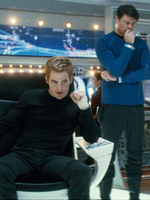 The publicity stunt that is the Hollywood Film Awards came and went last night. Nearly all of the winners had been previously announced, but
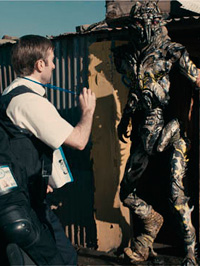 As more films have been unleashed, the race for the visual effects Oscar now appears clearer than it did
 Back in July, I took an
 •
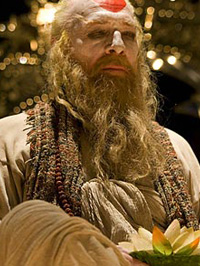 “Make me look good.” While this might seem a vain phrase, in the context of a movie, makeup cannot only make an actor “look good” but it can capture the character and transform the performer, providing invaluable assistance in reaching the “truth” in the portrayal.