 This is exactly the kind of thing “The Dark Knight” needs to tap into a genuine conversation about the film’s — and Batman’s — relevance in the zeitgeist. I’ve been watching The History Channel’s “Batman Unmasked: The Psychology of the Dark Knight” this afternoon, and for a Bat-nut like me, it’s the ultimate geek-out opportunity.
The entire 60-minute program is available over at YouTube. It’s aired on television twice today and I don’t know when it will run again, but it’s all kinds of fascinating. It takes a look at the character’s progression from 70-year-old roots through expansion on the psychological nature of the character in the 1980s and how that history is commented upon in Christopher Nolan’s “Batman Begins” and “The Dark Knight.”
The most intriguing part for me comes around the 08:15 mark of the clip below. I didn’t know this, but apparently much of Nolan’s vision for Bruce Wayne stemmed from a comparison to Theodore Roosevelt. Check it out:
There are, of course, interviews with filmmakers, actors and DC higher-ups, but there are plenty of doctors, professors and psychologists thrown in for good measure. Talk about a treat. I just wish more footage from “The Dark Knight” was used in the program, though they do get around to discussing the Joker in great detail amid a summation of the Bat’s rogues gallery of villainy.
Anyway, I’d love to see more stuff like this hit the tube. Or more features digging for this kind of thing in print rather than soliciting general soundbytes about Ledger’s performance or the box office intake of the film. “The Dark Knight” is an important movie event on many levels this year, and it goes pretty deep.
 Like a number of film music composers, Jeff Beal makes his home north of Los Angeles in the rocky, canyoned city of Agoura Hills. One feels a sense of the old west before even seeing the ranch-style houses in his neighborhood and the tail-flipping horses tied out back. Questions about his work on “Appaloosa,” Ed Harris’s latest entry in the western genre, seem to manifest out of thin, dusty air by the time we make it downstairs to his efficient but Spartan studio.
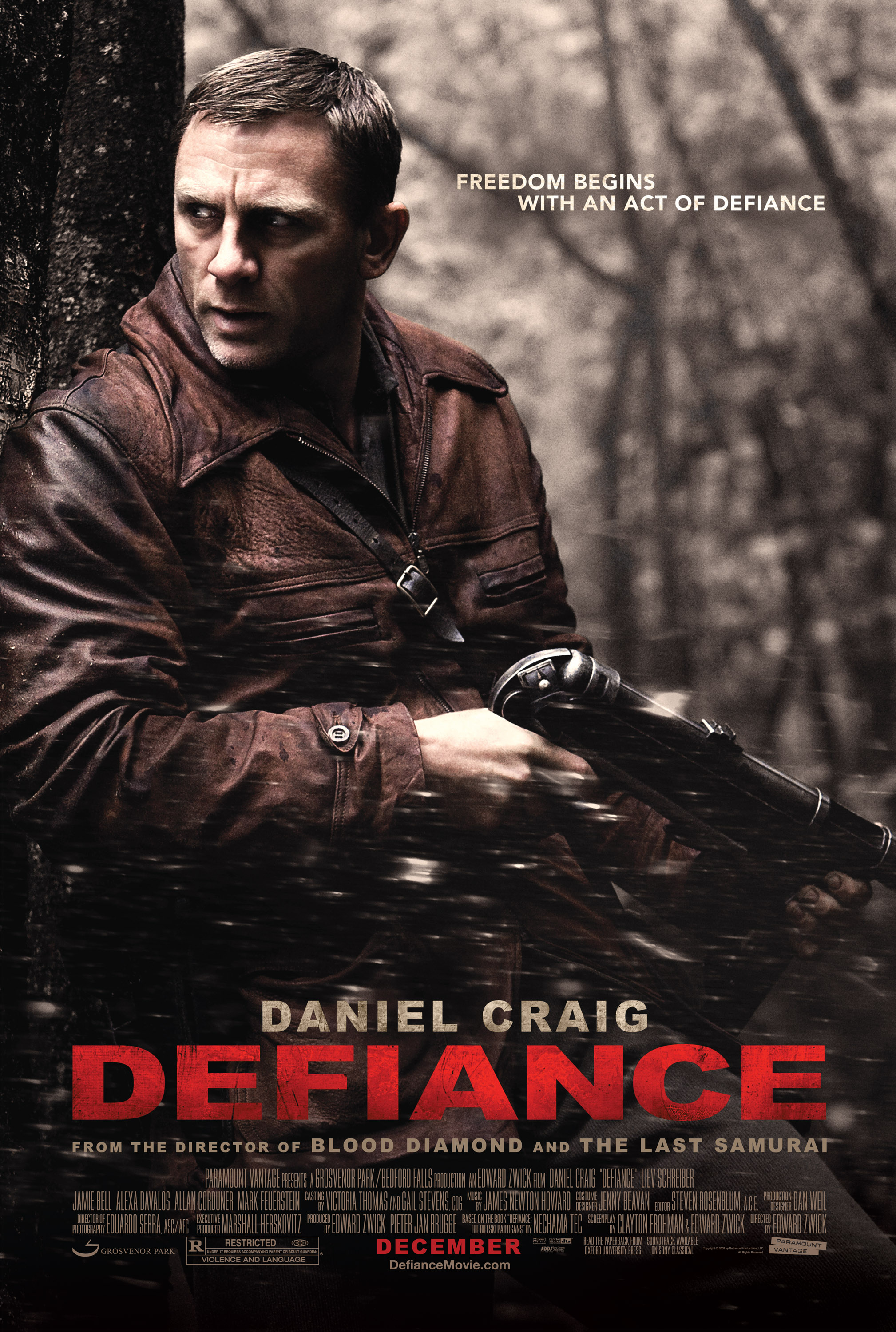
 UPDATE (9:58 p.m.): Thanks to one of our readers for pointing out that “The Reader” has been removed from The Weinstein Company’s
 Jeffrey Wells
 The Academy Award for Best Costume Design recognizes, shock of shocks, the clothes and accessories worn by actors in a film. Clothing can add to the story and express the nature and situation of the characters who wear them.
 /Film
 Philip Roth is author of 25 novels and other works of non-fiction. Revered in America, he has won every major American literature prize, including the National Book Foundation’s Award for Distinguished Contribution to American Letters in 2002. Despite his literary success, his films have had a difficult journey to the silver screen.
 As a few commenters have been discussing
 From
 In the last few weeks, drama has persisted in the yet-to-be-heated Oscar season. Producers are debating exhibitors in public and mid-summer opinions of awards-caliber product are being revisited — in some cases disavowed — as more and more viewers get their peeks.
 Random thoughts…and writing this I risk having my head taken off by angry fans and film buffs, but I have always had some issues believing Alfred Hitchcock to be the great filmmaker artists and historians have claimed him to be. In many ways, despite having personally lectured the man and his work to film school classes, I feel he may be the most overrated filmmaker of all time.
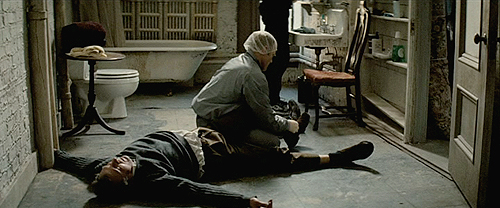
 2007 was, to my mind, the greatest year for cinematography in a long, long time. I can’t recall the last time I was so thoroughly impressed with the visual artistry of film after film like I was last year, and I attribute that to the intriguing spark of creativity underway in the film medium as of late. Newcomers and veterans alike were putting awe-inspiring images on film, some of the seasoned pros besting their already exceptional portfolios.