 I enjoyed this J.J. Abrams editorial in this month’s issue of WIRED magazine for the most part. But even with his somewhat noble point (that spoilers, cheating and the “age of immediacy” have dulled the satisfaction we get out of the “process” of doing, watching or experiencing something), I can’t help but sense a heavier condoning of twists and “surprises” as a necessity in the film and television world. Maybe it’s just me.
Anyway, Abrams starts out like so:
…why does it feel like the world has been ripped open, all parts exposed? Why does so much seem absolutely and thoroughly demystified? These days we can leap, all of us, from a casual curiosity about anything to a sense of satisfying understanding. Instantly. Want to fold origami? There are more than 200,000 Google results on that subject available to you, now. Need to know the capital of Mauritania? A recipe for sticky buns? How to pick a bicycle lock? You could answer all these questions in less time than it will take you to finish reading this article (which, for a second time, I suggest you skip. Remember: You know how it ends, so why are you still here?).
What I’m getting at is hardly news to anyone: We’re smack dab in the middle of the Age of Immediacy.
True understanding (or skill or effort) has become bothersome—an unnecessary headache that impedes our ability to get on with our lives (and most likely skip to something else). Earning the endgame seems so yesterday, especially when we can know whatever we need to know whenever we need to know it.
After having bookended the piece with a great story about how he and his friend tried to beat Super Mario Bros. 2 (I’ve certainly never done this — anyone?), he closes thusly:
Perhaps that’s why mystery, now more than ever, has special meaning. Because it’s the anomaly, the glaring affirmation that the Age of Immediacy has a meaningful downside. Mystery demands that you stop and consider—or, at the very least, slow down and discover. It’s a challenge to get there yourself, on its terms, not yours.
It’s a good read. Check out the rest here.

 So, what does Paul Haggis
 Now here’s a curious strategic decision. Having been offered the chance to unveil his much-anticipated “Tetro” in an out-of-competition slot at Cannes, Francis Ford Coppola has


 Along with a lot of viewers, it seems, Jeff Wells has
 In a stunning, Oscar-worthy performance that redefines her as an actress, Drew Barrymore is nothing short of miraculous as Little Edie in “Grey Gardens,” the latest knockout from HBO. Nothing the actress has shown us before will prepare you for her transformation into the eccentric character she portrays in this fine film.
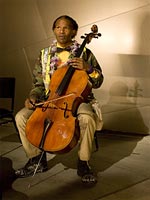 When Joe Wright’s “The Soloist” was shifted from prime Oscar territory last autumn to a considerably more low-profile 2009 slot, many presumed that the film was something of an artistic disappointment. However, word also went round that the move was a sympathetic one, aimed to place less pressure on a film that, despite the talent involved, was more crowdpleaser than prestige item.

 It seems to have become fashionable to dismiss Sofia Coppola as a lightweight in recent years, so news of her fourth feature film may be greeted with trepidation by some folks.