 I must say, while I’m still struggling to see the use of The Auteurs as a social networking site, it’s a smashing source of film writing. The range and intelligence of discourse there is a joy to read, and is rapidly making the site a daily essential.
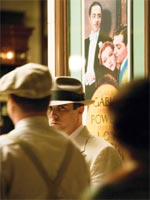
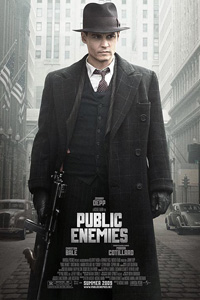
A case in point is today’s superb three-headed discussion of “Public Enemies” — well-timed given that today (as noted at the Film Experience) marks the 75th anniversary of John Dillinger’s death.
I’ve said before that I don’t think the film has generally received the critical credit it deserves, so it’s a treat to read three equally well-informed writers debating its complexities, and its relationship to the Michael Mann canon, in more detail than any review I’ve read. Daniel Kasman is upfront in his enthusiasm, declaring it the year’s best American film so far. (Short of “The Hurt Locker,” I don’t disagree.)
 Amid the mixed critical reaction to “Public Enemies,” I’ve been surprised at how few critics have responded to the film’s contemporary resonances: the dialogue (intentional or otherwise) between the film’s portrait of the Great Depression and the bleak economic landscape of the present day.
 Los Angeles Film Festival
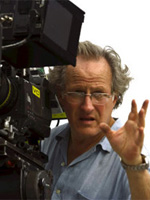 There’s a reason Michael Mann is my favorite working director. Consistently saddled with accusations of unyielding perfectionism and idiosyncrasy, he is a filmmaker who sets out to make exactly the film he wants to make every time, and he has the goods to back up the artistic aggression. The last two times out of the gate (2004’s “Collateral” and 2006’s “Miami Vice”) didn’t exactly capitalize on his considerable talents, but when “Public Enemies,” which I saw last night, plays the Los Angeles Film Festival next week and eventually opens nationwide July 1, I think audiences and critics alike will see it as a return to muscular, yet patient storytelling form.