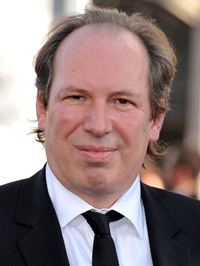
 From outside on 14th Street, Hans Zimmer’s Santa Monica offices reflect the typically sterile architecture of the city. Take a few steps in and you’re in the expected world of a musician: bays of dubbing equipment lining the walls, screening alcoves filled to the brim with technology, the usual trappings of a media artist…nothing out of sorts yet.
However, something lurks behind a large, brown, engraved door in the back, a portal to a creative sanctum and a gargantuan expanse no one would expect to be housed within these otherwise unremarkable premises. Step inside and it feels more like a Viennese castle’s quarters than a Southern California office space (not that the reporter has been to a Viennese castle). Burgundy and cherry wood dominate the scenery as technology mingles with designs of another time, memorabilia decorating every nook and cranny, a Joker statuette keeping watch on the space from afar.
Zimmer walks in, enthusiastic to discuss his contribution to Christopher Nolan’s “Inception.” He politely (yet somehow cheekily) asks if it’s alright that he smoke a cigarette, then settles in opposite his colleague, ambient music designer Mel Wesson.
Twenty-six years into a lucrative Hollywood career, Zimmer is tapping into a new creative golden age. He’s coming off his eighth Oscar nomination for his delightfully jaunty work on 2009’s “Sherlock Holmes” and has been a key element of Nolan’s revitalized Batman franchise since 2005. But with “Inception,” his third collaboration with Nolan to date, he says he’s beginning to take note of early career lessons and how they are influencing his work today.
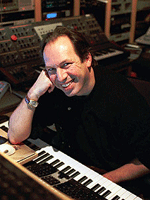 The publicity machine is oiled and clicking around Hans Zimmer lately, as well it should be. The composer seems to be enjoying a hot streak of celebrated creativity as of late, thanks largely to his recent collaborations with director Christopher Nolan.