In Contention

Tag: Cesar Charlone

  • 10/9 Oscarweb Round-up

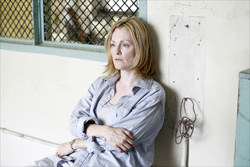
    Julianne Moore in Blindness• Dave Karger not only thinks Ralph Fiennes is in the supporting actor race for “The Duchess,” he thinks he is Heath Ledger’s main competition. [Oscar Watch]
    • Eight documentary shorts have been short-listed by AMPAS. [Oscars.org]

    • Jeffrey Wells reports that Lionsgate Films is pissing off Portland area critics by not screening “W.” for them (on the heels of a similar situation with “Appaloosa”). [Hollywood Elsewhere]

    • Patrick Kevin Day talks to César Charlone about the look of “Blindness.” [Los Angeles Times]

    • Steven Zeitchick thinks “W.” might be a victim of its own timeliness. [Risky Biz Blog]

    • On the heels of a similar query about Kristin Scott Thomas’s chances, Tom O’Neil wonders if Frank Langella can take the Oscar and the Tony in the same year. [Gold Derby]

    • Analyzing “The Scene” from Steve McQueen’s Hunger,” including a record-breaking 17-and-a-half-minute shot. [The Times]

    • 10 underrated Bill Murray roles (totally agree on most of them). [Spout Blog]

  • TECH SUPPORT: Best Cinematography — Volume One

    Tech Support at In ContentionToday we begin our in-depth looks at the individual crafts categories.  I’m a sucker for starting with my favorite: Best Cinematography.

    The art of film is reliant on the motion picture camera and those men and women who lend their talents behind the lens.  The Director of Photography is in charge of charge of capturing the director’s vision on film, not only by ensuring mood through lighting, thematic comment through juxtaposition, etc.  This work has to be done in tandem with the director, which makes it not surprising that many cinematographers and directors work together frequently.

    This category tends to award “pretty” films.  Big epics and gorgeous landscapes frequent the nominated five each year, as do war films and anything generally considered a labored task in this department.  That is not to say such efforts have a monopoly on this category –- just that they are especially apt to be nominated.

    Last year it was sad to see Roger Deakins lose for the sixth and seventh times on the same evening. I cannot deny that Robert Elswit -– a longtime favorite of mine –- was an excellent choice for “There Will Be Blood,” but the great Deakins is once again searching for his first statuette!  He will be back in contention this year, lensing Sam Mendes’ “Revolutionary Road.” This film clearly has Oscar in its sights.  While I still remain skeptical on how it will be received overall, Deakins will almost certainly be in contention should the film deliver in the slightest.

    Deakins will also be lensing “Doubt” this year, which also has the potential to be a major awards player.  Though I’m doubtful (no pun intended) about its chances in this category.

    In what would be a historic nomination, Mandy Walker will likely be in contention for Baz Luhrmann’s “Australia.”  She would be the first ever woman nominated in this category.  Yes, that’s right.  No woman has ever been nominated for Best Cinematography in 80 years of Academy history.  Lurhmann’s films are always visually spectacular and this effort in particular fits in perfectly with the sorts of epics usually nominated in this category.

    (more…)

  • ‘Blindness’ misses the bullseye, say critics

    Well, in my last post, I said that “Blindness,” with its immaculate credentials, could hardly miss – which of course was issuing an invitation for it to do just that. The latest from red-hot director Fernando Meirelles opened this year’s Cannes Film Festival a few hours ago, to frustratingly mixed reviews.

    In his review, Kirk Honeycutt of The Hollywood Reporter calls the film both “provocative” and “predictable cinema,” and while he does admire Meirelles’ craft, he ultimately finds the film emotionally lacking:

    This philosophical coolness is what most undermines the emotional response to Meirelles’ film. His fictional calculations are all so precise and a tone of deadly seriousness swamps the grim action … Removing a fable from the comfort of the printed page to the photo-reality of film can sometimes lead to its own kind of blindness.

    Variety’s Justin Chang is similarly lukewarm on the film, bemoaning its “diminished impact and excess of stylish tics,” and is less impressed than Honeycutt is by the film’s technical qualities:

    Meirelles adopts a cooler but, in its own way, no less fussy aesthetic. He often floods the screen in luminous white to mimic the sensation of blindness, at other times bathing his characters in the stuff so they appear to be, in one’s words, “swimming in milk.” This deliberately artificial effect gives the film a stagy, self-conscious air.

    However, it’s not all doom and gloom by any means. On the other side of the Atlantic, Peter Bradshaw of The Guardian offers an unqualified rave of the film:

    Blindness is a drum-tight drama, with superb, hallucinatory images of urban collapse. It has a real coil of horror at its centre, yet lightened with finely judged touches of gentleness and even humour. It reminded me of George A Romero’s Night of the Living Dead, John Wyndham’s Day of the Triffids and Peter Shaffer’s absurdist stage-play Black Comedy, showing humanity groping in the darkness. This is bold and masterly film-making from Meirelles: popular entertainment with challenging ideas.

    (more…)