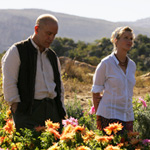
 With the Toronto festival just around the corner, one title set to bow there that isn’t garnering that much attention yet is Australian production ‘Disgrace,’ the long-gestating adaptation of Nobel Prize-winner J.M. Coetzee’s searing 1999 masterpiece.
That’s not exactly surprising, given that it’s a sophomore effort from a director, Steve Jacobs, whose previous credit, the flavourful but slight comedy “La Spagnola,” didn’t make much of an international ripple in 2001. The film is tiny; it also promises to be (if they do it right, at least) intensely bleak. The lone ‘name’ involved, John Malkovich, is something of a niche figure. Suffice to say that there are any number of starrier, sexier prospects in the TIFF lineup.
But in a quarter already boasting its fair share of prestigious literary adaptations (“Revolutionary Road” and “The Road” being just two of the most anticipated), this is the title that has me most intrigued. I admit my South African bias possibly comes into play here. But you don’t have to be from the country to know what an astonishing novel “Disgrace” is – one that picks apart the moral identity of post-apartheid South Africa with a precision and ruthlessness of Dostoyevskian proportions. In 2006, The Observer named it the greatest “British” (cheekily including the Commonwealth) novel of the last 25 years.
 No particularly new insights to be gleaned from this, but when a Limey paper
 In response to Tom O’Neil’s contender shortlist that I