 Bound to raise many a film buff’s hackles, The Guardian carries an entertaining piece today by novelist Tim Lott on the subject of “the worst best films ever made” — in other words, the roundly lauded and canonized classics that routine appear on “all-time greatest” lists but, well, simply aren’t all that.
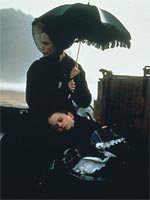
It’s a wholly subjective issue, of course, and Lott is unashamedly provocative (if overly glib) in tackling it, taking down some seriously big targets along the way. Films in the firing line include “The Searchers” (which he accuses of both racism and “rude mechanicals”), “Les Enfants du Paradis” (“dated, overlong and absurdly wordy”), “On the Waterfront” (“a masterclass in ham acting”) and “Death in Venice” (“a colossal piece of soft-focus masturbation”).
I disagree on most counts, but now and then his venom strikes a chord of with me. I wouldn’t go as far as he does in calling “La Dolce Vita” a “turgid, lazy mess of half-realised conceits,” but I agree that it’s not a film that has aged particularly well; compared to the still-pristine “8½,” its experiments in anti-narrative look idle and incomplete. And I’m glad someone else has the courage to say that subsequent decades of radical reinvention in the field of the movie musical make “Singin’ in the Rain” look like a very ordinary achievement indeed. (I’ll just come out and say it: I can’t stand Gene Kelly.)
 It’s a little over a week old, but I only just noticed Mike Goodridge’s rather