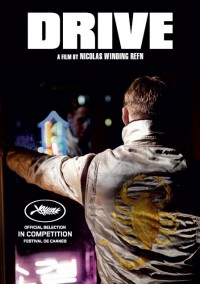
 Cannes Film Festival
It’s not often that opening credits as hideous as the ones in “Drive” — hot-pink cursive squiggles of the kind favored these days only by nail bars in suburban strip malls — are a reassuring omen for the film to come. But Nicolas Winding Refn’s beautiful, bolt-from-the-blue genre trip is a kind of snazzily dressed, testosterone-enhanced bag lady of a movie, one that gathers all manner of tossed-out debris from the Hollywood scrapyard to demonstrate its continued usefulness.
Accompanied by the irregular heartbeat of Cliff Martinez’s throbbing synth score, those lurid credits are the first clue that we’re in contemporary period piece territory: “Drive” may be set in modern-day Los Angeles, and its measured but grotesque bursts of violence may make use of our Tarantino-elasticated cinematic sensibilities, but in all other respects Winding Refn is partying like it’s 1985.
Based on American pulp merchant James Sallis’ short, sharp 2005 novel of the same title, the laconic tone and clean structure of “Drive” nonetheless feel adapted more from cinema itself, and not merely from films that share its 80s-pop mood board. The Michael Mann of “Thief” and the William Friedkin of “To Live and Die in LA” may be obvious touchstones here, but so are 70s-era Walter Hall (most obviously the similarly titled and plotted “The Driver”) and even the hard 1960s strut of John Boorman’s “Point Blank.”