Berlin International Film Festival
(EDIT: Star rating adjusted upon consideration.)
To filch an aphorism from Mike Skinner, “Shutter Island” represents of continuation of Martin Scorsese’s decade-long quest to find the hardest way to make an easy living.
If that sounds like a jab, it’s not. Since the self-amusing personal statements of “Kundun” and “Bringing Out the Dead” perplexed far more than they pleased, Scorsese has weaved over to the middle of the road, flirting with broad Oscar-bait and crowdpleasers (successfully marrying the two in “The Departed”) while playfully maintaining an auteur’s consistency of theme and aesthetic.
It’s a tricky game to play, and when the elements align, it can work to smashing effect — as in “The Departed,” a nifty pop movie-movie winkingly intended as the prototypical “Scorsese film” that casual cinemagoers attributed to him, but that he’d never actually made.
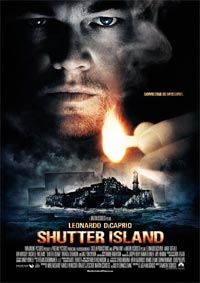
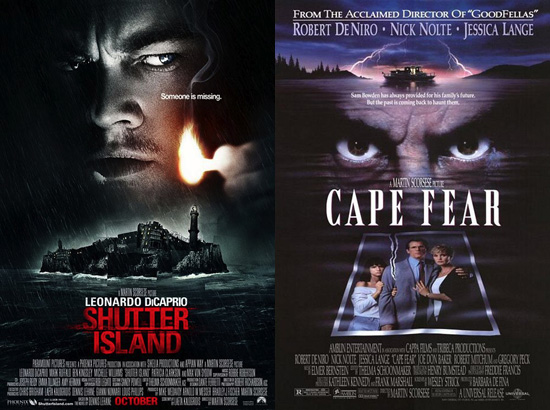
When they don’t, however, you get “Shutter Island,” a film awash with beauty and trademark stylistic flourishes, attached to a narrative that he never seems all that into. A near letter-faithful adaptation of Dennis Lehane’s pulpy source novel, itself something of a genre lark for the author, it surprises principally by offering more intrigue as a Scorsese picture than as an entertainment. As an artistic investigation of B-movie construction, it has all the impeccable craft, and a measure of the cinephile intelligence, of “The Departed” or “Cape Fear”; but a lot of the fun is missing.
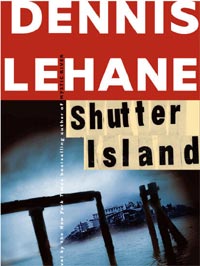 Deep into Dennis Lehane’s 2003 novel noir “Shutter Island,” there’s a wonderfully telling exchange between the two central characters. Reflecting on the gothic heights to which their situation has spiralled, one observes, “It’s all a bit Grand Guignol, don’t you think?” His partner’s reply: “I don’t know what the fuck that means.”