In Contention

Tag: Tunde Adebimpe

  • INTERVIEW: Rosemarie DeWitt

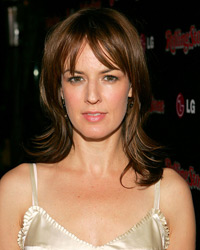
    Rosemarie DeWittRosemarie DeWitt is excited.

    It can be difficult to gauge emotion in the formal, slightly removed context of a phone interview, but DeWitt’s warm, clear voice betrays an eagerness right from the get-go, articulating thoughts at a pace that occasionally exceeds my shorthand. Only when addressing the heady buzz of awards season does she finally pause to reach for words.

    “It’s crazy, seriously crazy, but more than anything, it’s just really flattering,” she says.  “This is the best job I’ve ever had, and I’m so, so proud of the film. Anything more than that is just…” A moment passes as she takes a breath, and considers the matter. “Wow,” she concludes simply.

    The film in question, of course, is “Rachel Getting Married,” Jonathan Demme’s barbed family drama that has been widley declared the filmmaker’s return to form after some years in the wilderness. The buzz, meanwhile, is for DeWitt’s subtle, complex turn in the title role, which has garnered considerable plaudits for the hitherto low-profile 34-year-old actor, a frequent stage presence only recently receiving her due on screen, both big and small.

    Best known until now for her tart, sexy portrayal of Midge, Jon Hamm’s bohemian city mistress in TV critics’ darling “Mad Men,” DeWitt is calling from Los Angeles.  She’s just finishing work on another cable series, “The United States of Tara,” a dark, high-concept comedy created by Diablo Cody and starring Toni Collette (an “absolute genius,” DeWitt gushes).

    All of which would be enough to get excited about without Oscar talk being thrown into the mix. But as Rachel, the older sister of Anne Hathaway’s self-destructive addict Kym, DeWitt’s attentive, commendably unflattering performance finds itself right in the thick of the Best Supporting Actress competition. Hers is, for me, the most resonant performance in a film that doesn’t want for thespian fireworks, largely because DeWitt never pushes Rachel into the stock character of the saintly, long-suffering sibling.
    (more…)

  • SHORT TAKE: “Rachel Getting Married” (***)

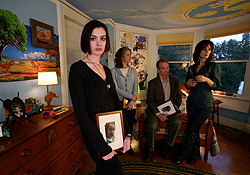
    (from left) Anne Hathaway, Rosemarie Dewitt, Bill Irwin and Debra Winger in Rachel Getting MarriedJonathan Demme and Jenny Lumet’s menagerie of characterization, “Rachel Getting Married,” will have a diversity of followers.

    Some will be drawn to the angst and closeted guilt of Anne Hathaway’s Kym, a portrayal with layers that announces new talent in the starlet.  Others will be delighted and taken by Bill Irwin’s equal doses of authenticity and questionable mugging.

    Others still might side with the conflicted and forcefully honest sparkplug of the film’s title, conveyed splendidly by Rosemarie Dewitt; or the five or ten minutes Debra Winger gets to step in as an absentee mother before flying off the rails in one of the most painfully unrealistic scenes of the year.

    Perhaps the calming presence of Tunde Adebimpe’s groom-to-be Sidney will sooth the soul, however bizarre his coupling seems to be, or the overall zen of Anna Deveare Smith’s alpha female Carol.

    Whatever your attraction to the film’s ensemble, the point that should be taken away is how vibrantly Demme has wrought its diversity and thematic purpose throughout.  Comparison’s to Noah Baumbach’s “Margot at the Wedding” may be in store, but unlike Baumbach, Demme understand the impact of true realism over a reaching attempt at stylizing it.

    Jenny Lumet’s script isn’t as hackneyed as it might be, though it certainly isn’t as complete as it thinks it is.  But perhaps that is another important (if tired) artistic point: the episodic nature of family, the ups and downs and how they seem to fade into a cluster of events impossible to distinguish.  No grand insightful gestures are made, no sweeping epiphanies of characterization, but Demme brings the appropriate edge and guidance to make it pass for unique.

    Top honors go to Ms. Dewitt, who harnesses her character’s hypocrisies while maintaining an even keel within Lumet’s most complex creation.  She approaches the warmth of sisterly familiarity and the sizzle of bridezilla conceit with equal aplomb, making for the film’s most fully realized performance.

    Despite valiant stands in front of and behind the camera, however, “Rachel” suffers from a screenplay that seems trite when boiled to its essence and leaves no real room for creative expansion.