 As a younger film lover, there are few thrills greater than seeing a title you’ve always loved through the medium of television and DVD (and, at the risk of dating myself, home video) given new life on a cinema screen, the way nature, or the filmmaker at least, originally intended.
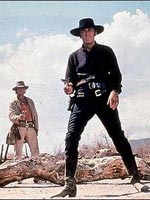
A big-screen reappraisal can heighten already ardent cinephile devotion to a certain title – watching Coppola’s “Apocalypse Now” (admittedly in redux form) on a 20-foot screen in an empty theatre remains the single greatest cinemagoing experience of my life, while a pristine new cut of “Once Upon a Time in the West” at last year’s London Film Festival was one of my highlights of 2008.
Alternatively, the closer scrutiny of a cinema viewing can heighten one’s appreciation for a less-adored title. I had always admired “Barry Lyndon” more than I actively loved it, until a gorgeous restored print at London’s BFI Southbank earlier this year awakened me to the intricate painterliness of its compositions and near-hypnotic stateliness of its pacing. Some films need the immersive quality of the theatrical experience to drive their aesthetic point home.
 Filmmaker Danny Boyle is set to be feted this evening by the American Film Institute, but with just eight feature films under his belt, the dynamic director of such milestones as “Trainspotting,” “28 Days Later” and this year’s festival favorite “Slumdog Millionaire” is hardly due for a career retrospective. He’s still going strong, excited by each new project and willing to take his time on whatever strikes his fancy along the way. But as “Slumdog” begins to stand out as, perhaps, Boyle’s greatest cinematic accomplishment to date, the director shares with us what he’s learned along the way, film-by-film.