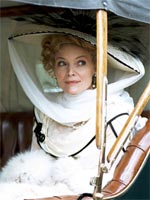
 While I’m on the subject of Gallic-flavoured Best Actress contenders, I usually try not to get too invested in an individual’s awards hopes before I’ve seen the film carrying them, but I must admit to one sentimental wish this year: that Michelle Pfeiffer and “Chéri” will live up to the delicate beauty of their source material, and in that event, that Pfeiffer will be duly rewarded for her pains.
Not to step on Nat Rogers’ toes, but we all have a fantasy list of people we want to see receive an Oscar one day — and nestled among the diverse likes of Mike Leigh and Samantha Morton, Pfeiffer is near the top of mine. Partly, I confess, because she was my first cinematic crush (I was nine, and our first date was “Frankie and Johnny”), but more because of the hope that an overdue career celebration might coerce her into working more often, and casting directors into offering her more tempting bait. (Why should Meryl Streep be the only woman headlining films in her fifties?)
2002’s undervalued “White Oleander” offered an intriguing glimpse of how the actress’s advanced years actually added nuance and fragility to her trademark froideur; “Chéri,” if played right, should do the same, and then some.
All of which is a long-winded way of pointing you towards this excellent interview with Pfeiffer in today’s Guardian, in which Geoffrey Macnab pays due tribute to her skill and versatility (I love his suggestion that she venture into the Western genre), and the actress explains that “Chéri” is a more complex beast than the bonbon depicted in the trailer:
“The scope of the movie turned out to be bigger than any of us had realised at the beginning. We were on a limited schedule, but when you see the film, the scope of it is huge. Usually, you have a couple of scenes where you might have pages of dialogue – but this film, every scene was five, six, seven or eight pages of dialogue. It took a tremendous amount of concentration.”