 Venice Film Festival
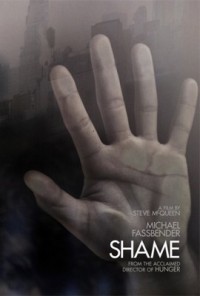
If “Hunger,” artist-turned-filmmaker Steve McQueen’s remarkable debut feature, was a study of a body strenuously denied its fundamental needs, his satisfyingly rigorous, explicit follow-up, “Shame,” traces the very different damage done by a body over-gifted with wants.
A sternly formalist parable on the pruning and stunting of relationships both familial and carnal in modern-day urban society, “Shame” is only for the purposes of swift summary a story of sex addiction — specifically that endured by Brandon, Michael Fassbender’s dourly handsome New York advertising hotshot. Sex, and the pursuit thereof, is what needles Brandon first and foremost, but it doesn’t take Freud (or indeed Fassbender’s own Jung from “A Dangerous Method”) to tell that it’s a displaced urge in a life whose most crippling vacancies take longer to fill than a Friday night fuck.
“Hunger” was a film that dismantled known history and re-presented it in highly sensual, imagistic terms. The new film might be a foray into fiction for its director — working from an original screenplay by British playwright and television scribe Abi Morgan — but it performs a similar trick with psychology so embedded in the popular consciousness it would appear to offer little room for surprise.
 As you know, we at InContention are dedicated to spotlighting below-the-line talent, so this excellent cinematography-themed
 Today we wrap up my list of the year’s best shots. In case you missed it, have a look at part one
 Four days and three screenings into the 2008 AFI Fest, I’m one-for-two and looking to add to the “win” column as much as possible in the next week. It hit me this afternoon, though, that no two films could be better suited to an introductory update from the festival, two exercises in subverting the conventions of the biopic. One succeeds, one fails, but both maintain a certain spirit that you don’t find in the work of many filmmakers today. And interestingly, both are set for distribution by the always courageous IFC Films.