 The director: Markus Schleinzer (Austria)
The talent: An actor and accomplished casting director — whose credits in the latter field include several films by his compatriots Michael Haneke and Jessica Hausner — 39 year-old Schleinzer has cast his debut feature as writer-director with several actors he previously tapped for other directors’ films. Lead actor Michael Futih won’t be an especially familiar name to international audiences, while his young co-star David Rauchenberger is a newcomer. Overall, the film has less name appeal than of its Competition rivals, making it one of the lineup’s more intriguing prospects.
The pitch: This may disappoint you, but Schleinzer’s debut isn’t an arthouse remake of Nora Ephron’s 1996 Travolta-as-angel romcom of the same title. Something rather more somber awaits. Only a one-line synopsis has been issued, describing the film as a study of “the last five months of 10-year-old Wolfgang and 35-year-old Michael’s involuntary life together.” That coy “involuntary” evidently refers to a kidnapping: the film is allegedly inspired by the real-life case of Natascha Kampusch, the Austrian girl abducted at the age of 10 and held captive for eight years. With Austria having been rocked both by this and the Josef Fritzl case in recent years, Schleinzer’s film looks likely to touch on a few nerves.
 The foreign Language film category has been marred in controversy for the last few years. When films like
 So
 In so many words, this is it. The Academy of Motion Picture Arts and Sciences unveils it’s slate of nominees bright and early tomorrow morning, and this being the first year with a 10-film Best Picture field, all eyes will be on the top category to gauge which way the wind blew on this AMPAS experiment.

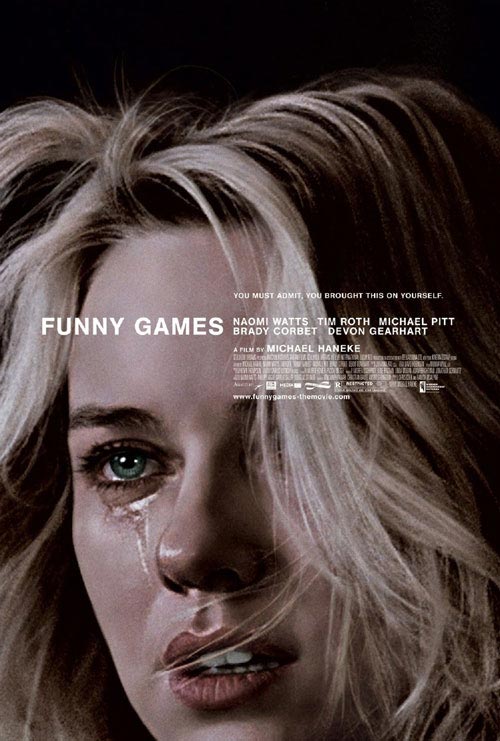


 American audiences will have to wait until 30 December to see Michael Haneke’s Palme d’Or winner
 I’m not sure why the British broadsheets are all falling over themselves to publish their ‘best of the 2000s’ lists in early November, but mere days after The Telegraph critics
 You might not be aware of it, but the competition is already formally under way in Oscar’s most perennially problematic category, Best Foreign Language Film.
 London Film Festival
 It’s been a very good week for Michael Haneke’s Palme d’Or winner “The White Ribbon.” One day after being
 It should come as no surprise to anyone that Germany has
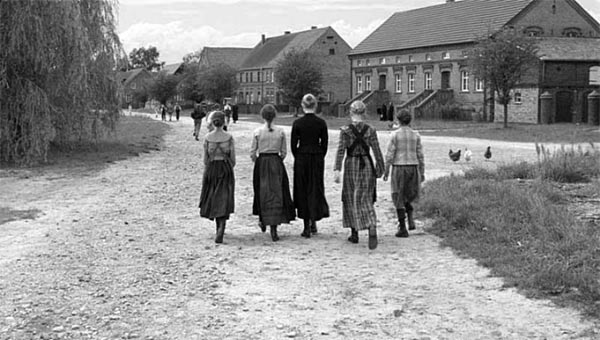
 As it turned out, the most logical on-paper prediction turned out the be the right one. After emerging as the bridesmaid from several festivals past — winning the Grand Prix in 2001, Best Director in 2005 — the venerable Austrian auteur Michael Haneke has finally won the Palme d’Or for his stark moral drama “The White Ribbon.”
 It’s all over bar the voting. Tomorrow, Cannes jury president Isabelle Huppert will meet with her formidable, female-dominated team of eight – including the diverse likes of Robin Wright Penn, Asia Argento, James Gray and Hanif Kureishi – to pick over the 20 Competition titles they have seen over the last fortnight and select their collective favorites.
 Could this year bring a close to Michael Haneke’s bridesmaid’s run at the Cannes Film Festival? Haneke has come within touching distance of the Palme d’Or before, taking the Grand Prix in 2001 for “The Piano Teacher” and Best Director in 2005 for “Caché,” but the big prize has so far eluded him.