 The folks at Movieline got their hands on a list of the top 50 films of the decade, from a cinematography standpoint, as laid out by voters at American Cinematographer magazine. Topping the list: Bruno Delbonnel’s work on “Amelie.” Delbonnel is a favorite among DPs. After all, “A Very Long Engagement” won him the ASC honor in 2004 and he received his third Oscar nomination of the decade for last year’s “Harry Potter and the Half-Blood Prince.” But it’s still a surprising call.
Another delightfully unexpected pick is Jeff Cronenweth’s lensing of “Fight Club,” but I was personally irritated to find John Toll’s serene, thematically potent work on “The Thin Red Line” go completely unrecognized in the top 10 (he finally shows up at #17). I’d also say Roger Deakins, though at his usual top notch on “No Country for Old Men,” probably should have seen top 10 representation for “The Assassination of Jesse James by the Coward Robert Ford” instead. His work on the western just misses at #11.
I’ve been asked many times to offer up a list of the top 10 shots of the decade as a bonus to my annual top 10 shots of the year columns, but I don’t think I can do it. For one thing, it’s obviously a ton of work, but with so many shots in so many movies, I just think it would be tough to whittle it down. Too tough.
Check out the full list from American Cinematographer after the jump. (Note they’re picking from 1998 to 2008).
 Welcome to the first of two (and the only two) categories that have me pulling my hair out. The cinematography race is a strange breed this year. There isn’t the usual one or two “pretty” films that turn the Academy on at large, nothing with sweeping vistas and postcard composition, all the stuff that allows voters to stop being analytical and vote for mere aesthetic.
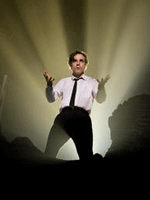 Along with the WGA, the American Society of Cinematographers will also be announcing nominees Monday. Guesses as to which way they’ll go?
 I’ve had my eye on these because I’ve always felt that, if
 And they are, via AMPAS
 (UPDATE: Full list of categories and special awards added, including a random Best Ensemble prize for “Nine.” Also, a pointless Ten Best Films of 2009 list that leaves out some of their very own Best Picture nominees. Don’t even try to make sense of it. Thanks to Ziyad for the info.)
 It’s that time of year, when studios roll out their awards-centric websites for films in play. You get screening info, news and notes, reminders of how AMAZING their films are (with critical quotes to back it up), goodies like screenplays and such, etc. It’s a good way to see how wide the net is cast during the season (since any and everything gets a “For Your Consideration” blurb), but I’ve always found it’s a good way to revisit the year’s films.
 When I
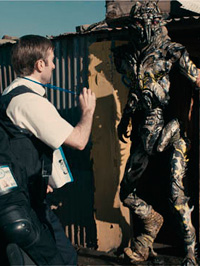 As more films have been unleashed, the race for the visual effects Oscar now appears clearer than it did
 Back in July, I took an
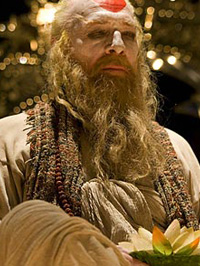 “Make me look good.” While this might seem a vain phrase, in the context of a movie, makeup cannot only make an actor “look good” but it can capture the character and transform the performer, providing invaluable assistance in reaching the “truth” in the portrayal.
 Sets and props can create a time period, an era or simply the feel of a scene. And the individuals involved in this process are awarded by the Academy in the category of Best Art Direction.
 *All historical figures are adjusted to today’s dollars
 “How did they do that?” Movie-goers often ask this in response to spectacular visual effects, one of few elements of a film, apart from acting, directing or story, that a studio might choose to sell a film directly on.
 ScreenDaily editor Mike Goodridge
 *All historical figures cited are adjusted to today’s dollars.
 •
 Zoom. Smash. Bang. Grunt. Zap. Splash. Screech.