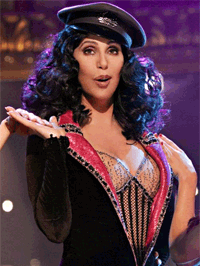
 I guess I’ve been pretty hard on the Best Original Song category this year. It’s not like any given year tends to have a deluge of impressive fodder up for consideration or anything, but on the whole, outside of a concentration of contenders that have a fighting chance at recognition, it just seems to be an uninspired lot of tracks in the mix for 2010.
Before diving into the fray, some quick reminding. The music branch’s rules are always in flux and over the last couple of years they have shifted, perhaps rightly, into a frame of assessing songs as they are used within the context of a given film. Let’s look at the official language from the Academy’s rules and eligibility literature:
An original song consists of words and music, both of which are original and written specifically for the motion picture. There must be a clearly audible, intelligible, substantive rendition (not necessarily visually presented) of both lyric and melody, used in the body of the motion picture or as the first music cue in the end credits.
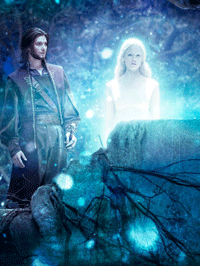 I find it somewhat appropriate to be ending my in-depth looks at the crafts categories with a discussion of Best Visual Effects. This is, after all, a category which awards the sort of behind-the-scenes crafts work that is often prominently displayed in advertisements and talked about with reverence after the film ends.
 Sound mixing has a lot in common with sound editing, but the distinctions are still critical. While both clearly relate to what we hear in the theater, sound editing specifically relates to the creation of artificial sounds (“sound effects”) while sound mixing brings everything together — from effects to music to dialogue (recorded on set or during post-production) to music – into the overall soundscape of a film.
 Last week we discussed how a movie’s soundtrack can be immeasurably improved by music. This week, we turn to the sound technicians. While next week will concentrate on sound mixing (the overall mix of effects, recorded sounds, dialogue and music), this week we look at sound editing, the creation of artificial sound effects to enhance a film’s aural impact.
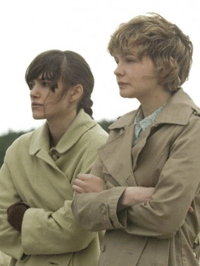 A great score can take a film from memorable to unforgettable. Whether it be Vangelis’s synthesizer on the beach in
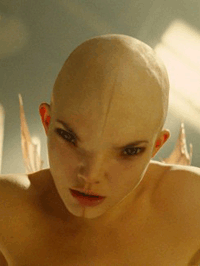 As I said last week (and have said several times before), no category is year-in and-year-out more perplexing than Best Makeup. Each year, this branch finds ways to turn otherwise dubious awards contenders into bona fide Oscar nominees — dubious because often nominees might be abysmal or relatively obscure. The branch seems to have its favorites – like Greg Cannom and Rick Baker – but nevertheless manages to snub them sometimes when they seem sure bets.
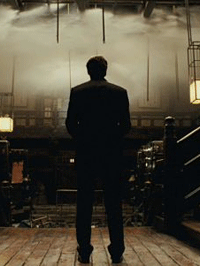 So important but so hard to notice. That’s how I would describe the work of our best film editors – those cutting artists who blend and juxtapose frames together to make films coherent, establish a flow and also set the mood in a manner that suits the screenwriter’s words and the director’s vision.
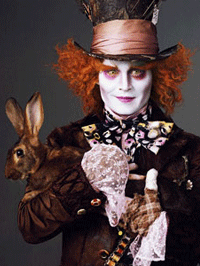 Glitz and glamor. Period prestige. Newbie talent and old favorites. How is the race for Best Costume Design shaping up this year?
 Today we take a look a second look at, well, certainly the most “cinematic” of categories: Best Cinematography. As I like to say, cinema is born out of the camera and those who wield these devices enrich our films more than a few words written here could possibly say. From capturing mood, lighting and atmosphere to telling the story visually and creatively, our cinematographers truly are artists in every sense of the word.
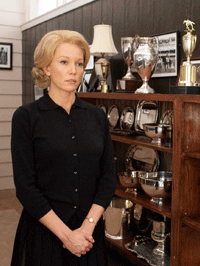 Oh how things have changed since I last wrote in this space. In the past four weeks, Tech Support has taken a break, allowing the dust from the festival circuit to settle, and other titles to open. Over the next 10 weeks, we’ll take a second look at each of the crafts categories, finishing in mid-December – just as awards circuit takes hold.
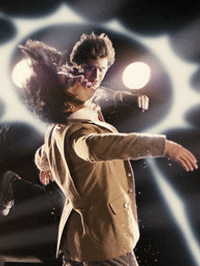 How often do you go to the movies to escape? To be immersed into a different world, whether it be fantastical, thrilling or action-packed? For many movie-goers, if not most, the answer is “frequently.”
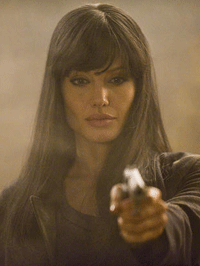 Last week, while discussing the sound editing category, I explained the difference between that art form and sound mixing. The Oscar for the latter is shared between two (or more) persons who construct the soundtrack of a movie. The re-recording mixers bring together everything – dialogue, sound effects, music – into what we hear in the theater. The production sound mixer is also awarded for capturing the sounds during shooting, an undoubtedly arduous task.
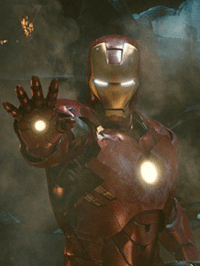 Now matter how many times I watch the Oscars, someone will always ask, “So what is the difference between the two sound categories?”
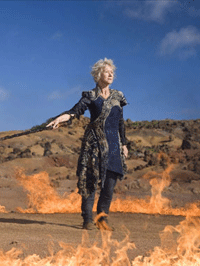 I am marveled by the accomplishments of all the crafts artists who elevate our films, but this is particularly the case with respect to music composers. Composing equals genius as far as I am concerned.These musicians join the film at the end, when usually only the director, editor and perhaps the sound mixers are still working. But capturing the mood and feel of a film that has been created in your absence must be extraordinarily difficult.And I do not need to count the ways in which a brilliant score can make a good film truly unforgettable.
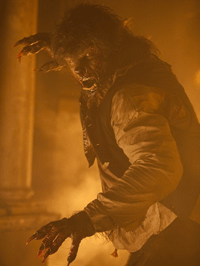 Makeup and hairstyling builds characters by transforming actors with realism or imagination that would otherwise be lacking on the screen. With the
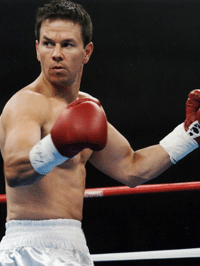 I still remember when I was 12 and getting into the Oscars for the first time. My Dad said, “How can you tell if the film has good editing?” To a very large extent, I had to concede his point, as the best editing is often that which we don’t explicitly notice. Rather, it simply “becomes” the film as we become immersed in what is on the screen, not remembering that everything was staged from different angles on different days.
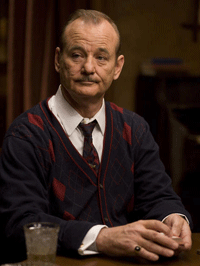 Costume design in many ways represents much about the Oscars: glitz, glamor, beauty. But obviously threads do much more than make movie stars look attractive. They build character, set mood, define period and serve as a defining design aspect of a film.
 Of the so-called “tech” categories, Best Cinematography is one of the most popular, certainly for me. The invention of the camera took us beyond radio and literature and set modern art on a path aimed toward the moving picture, and this field recognizes those behind the lens.